Simply compare floor comfort, heating efficiency, and the impact on energy consumption.
When talking about floor work, screed is often perceived as a simple technical top coat. However, an essential question arises very early in a project: should we ask a screed with thermal insulation Or a screed without insulation ?
This choice directly influences the interior comfort, heating efficiency and energy performances of the building. In this article, we compare the two configurations to help you understand the real differences, beyond conventional wisdom.
La screed has the main function of:
On the other hand, screed is not a thermal insulator. Without an insulating layer underneath, it lets the cold pass to the floor or floor below, which has a direct impact on comfort.
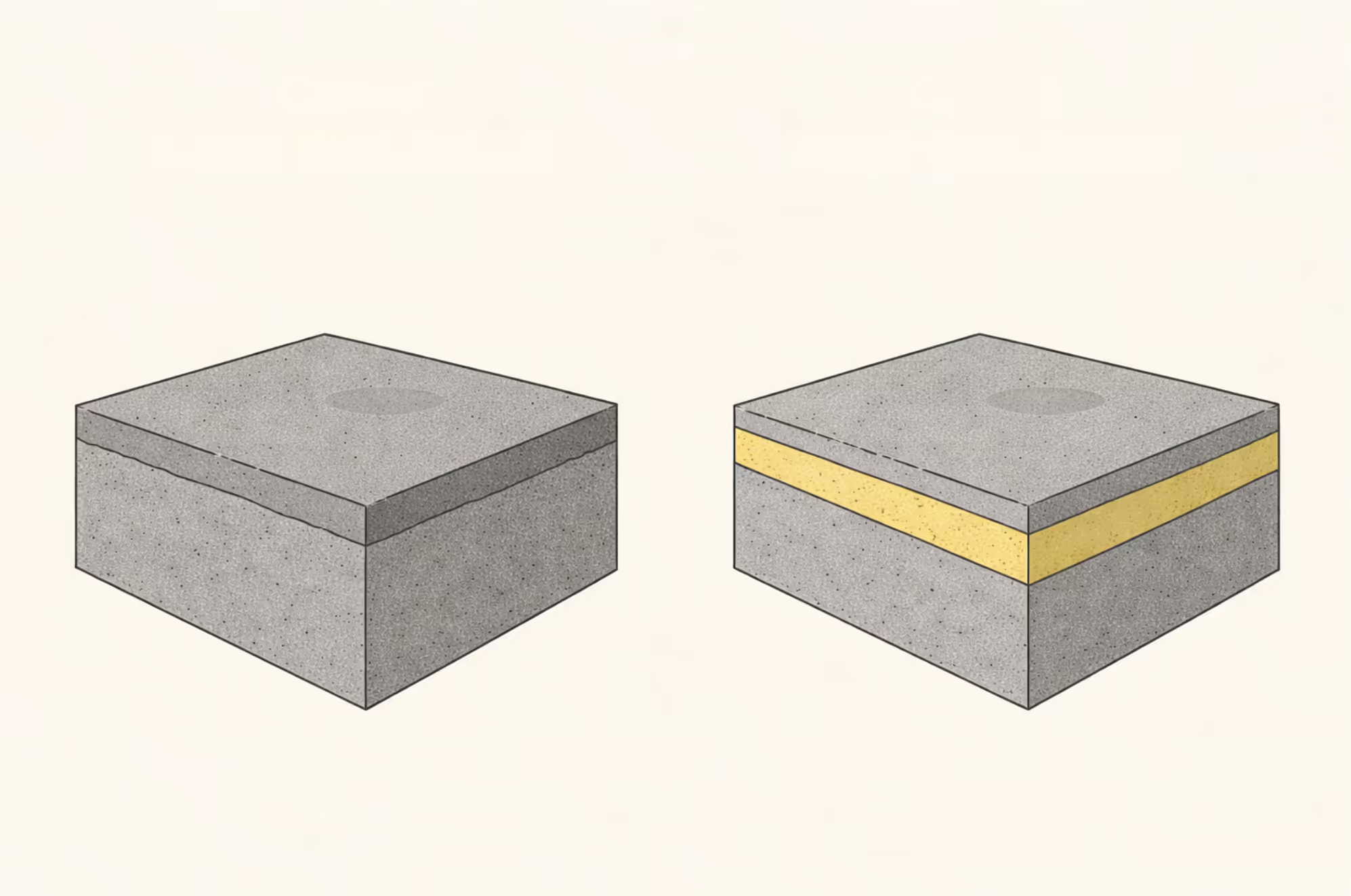
One screed without thermal insulation is placed directly on the load-bearing slab. This solution may seem sufficient at first glance, but it has several limitations.
Without insulation under the screed, the floor remains in direct contact with a cold mass. This results in:
A significant portion of the heat produced in the home escapes downstairs. The heater needs to work longer to maintain a stable temperature.
With a screed without insulation, the heating is less efficient:
👉 This configuration may remain acceptable in certain technical rooms or specific projects, but it quickly shows its limits in housing.
Add a thermal insulation under screed radically changes the behavior of the soil.
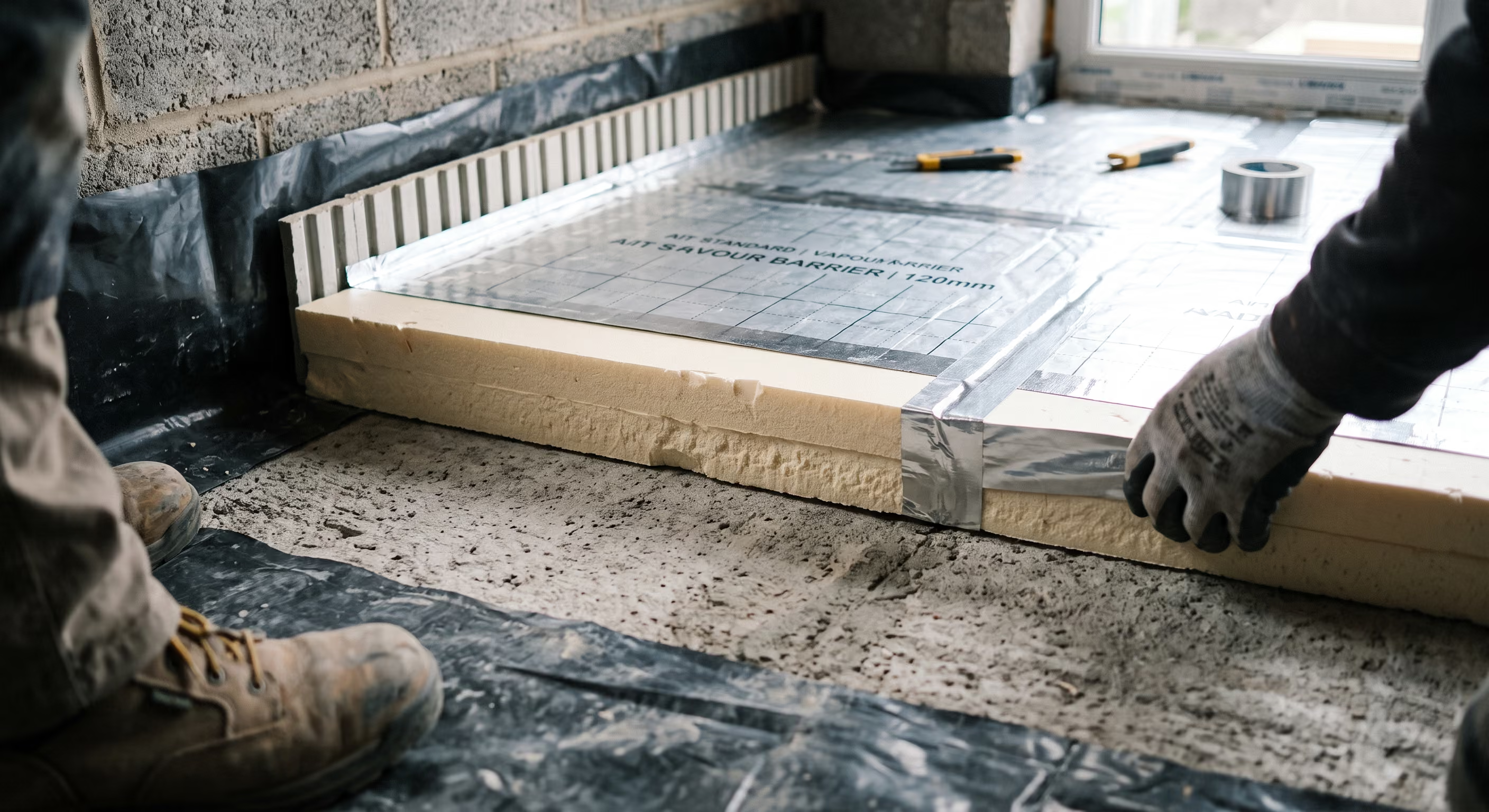
The insulation creates a barrier between the screed and the cold support:
One screed with thermal insulation limits heat loss:
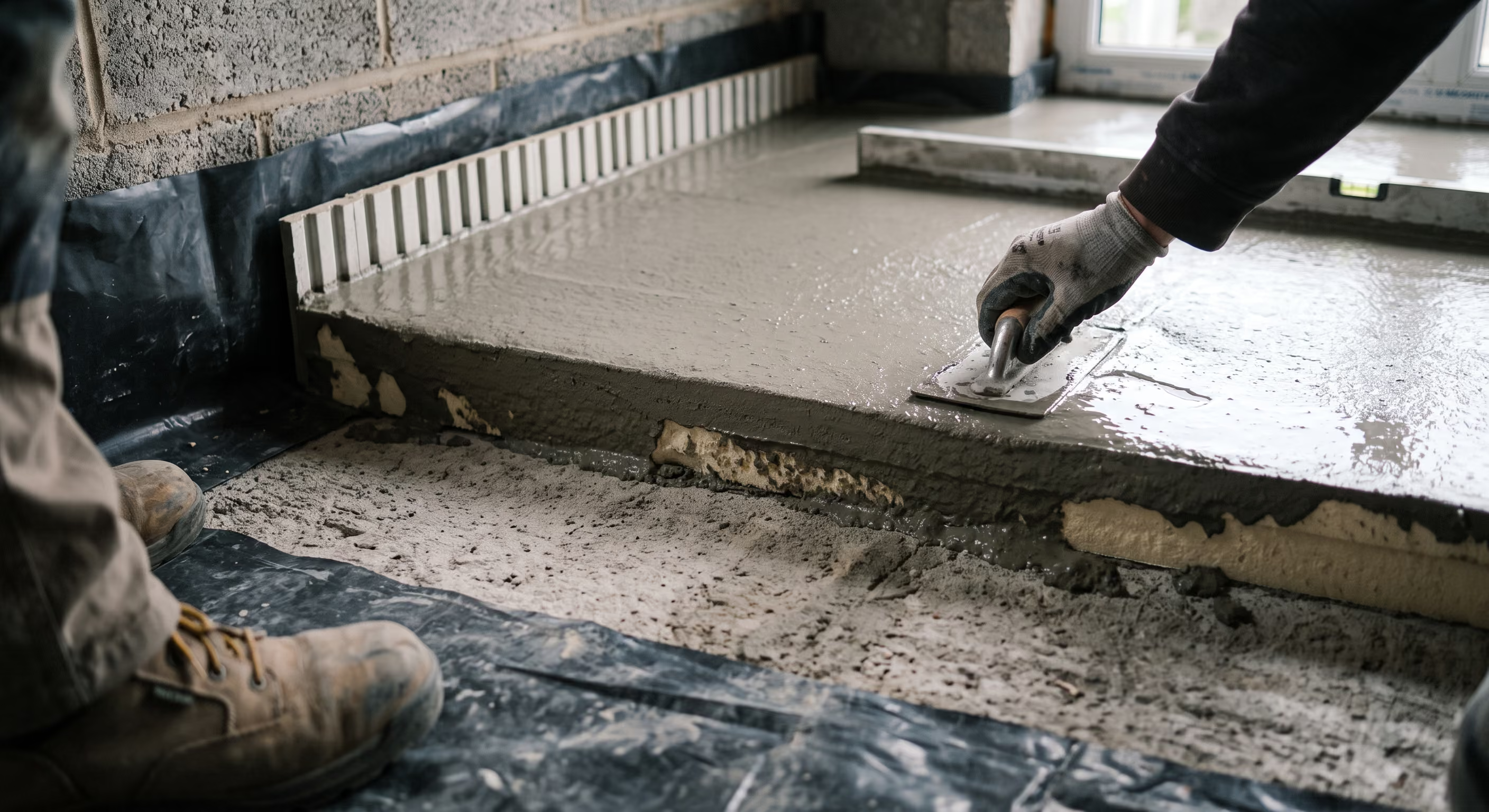
In the case of a underfloor heating, screed insulation is essential:
Even without entering specific figures, the principle is simple:
👉 less losses = less energy consumed.
One thermally insulated screed allows:
In the long term, this means more rational use of the heating system and better daily comfort.
One thermal insulation under screed is highly recommended when:
In these situations, a screed without insulation quickly becomes a weak point in the building.
One screed without thermal insulation may be considered:
In all cases, this decision must be taken in full knowledge of the facts, after analyzing the support and use of the building.
The choice between insulated screed or non-insulated screed should not be limited to immediate logic. It is an arbitration between:
One thermal insulation under screed well-designed provides consistent benefit throughout the life of the floor.
La screed with thermal insulation offers greater comfort, better heating efficiency and smarter energy management.
La screed without insulation, for its part, remains a one-off solution, adapted to specific cases but limited in the home.
Chez Davide Chape, each project is analyzed according to the existing support, the use of the rooms and the planned heating system. This approach makes it possible to recommend the most consistent solution, without unnecessary oversizing. Contact us now to get a quote.

Do not hesitate to contact us directly: our team is always available to assist you and provide a 100% free quote.


Your expert in screeds, thermal insulation, and acoustic floor insulation.