Dry screed is a lightweight and fast alternative to traditional and fluid screeds. Discover how it works, its advantages, and the projects where it makes a difference.
Pouring, cement, weeks of drying: screed often brings to mind a long and heavy construction process. However, there's a much lesser-known alternative: the dry screed. Neither poured nor wet, it completely changes construction constraints. Here's what you need to know before considering it for your project.
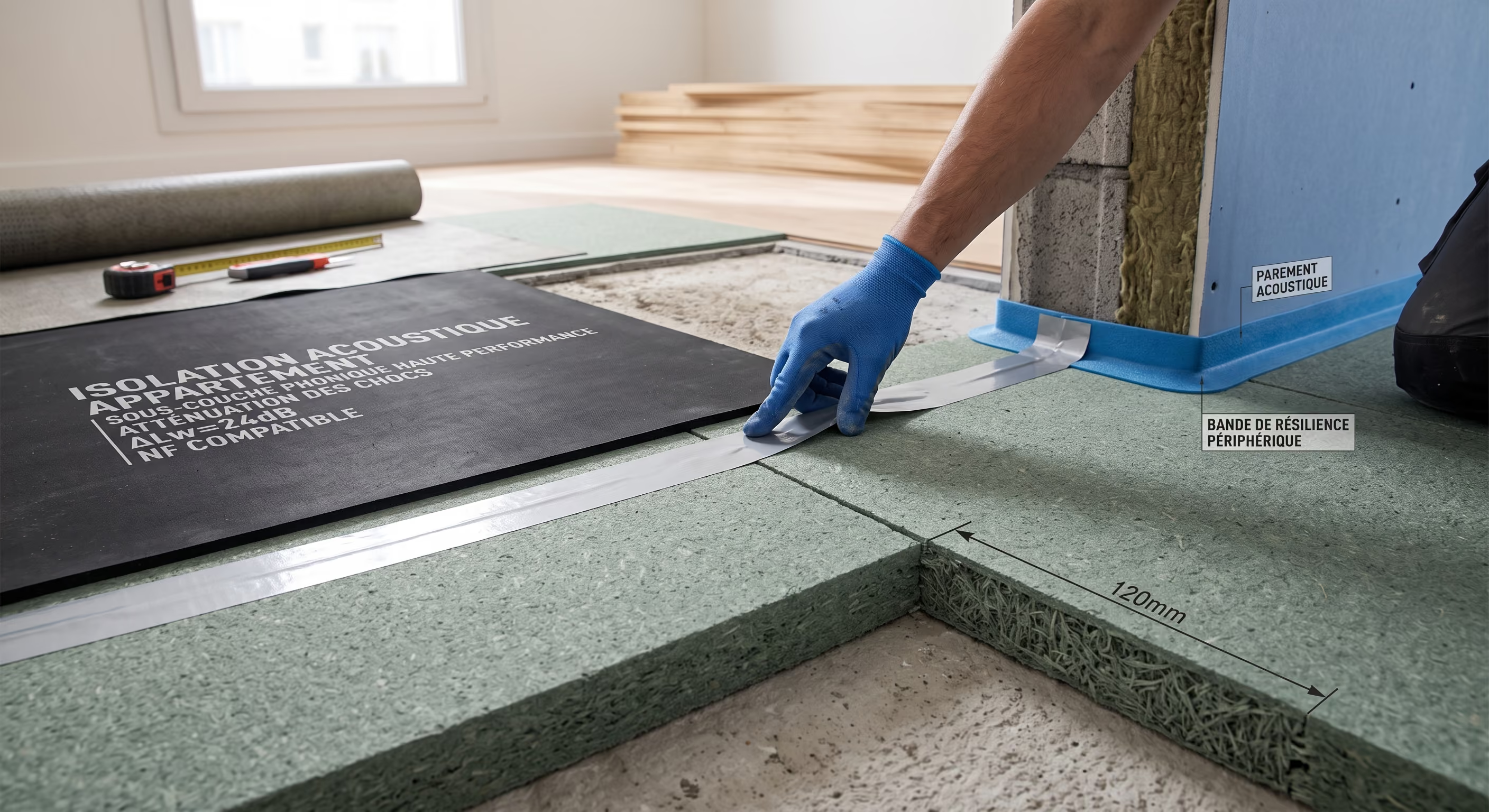
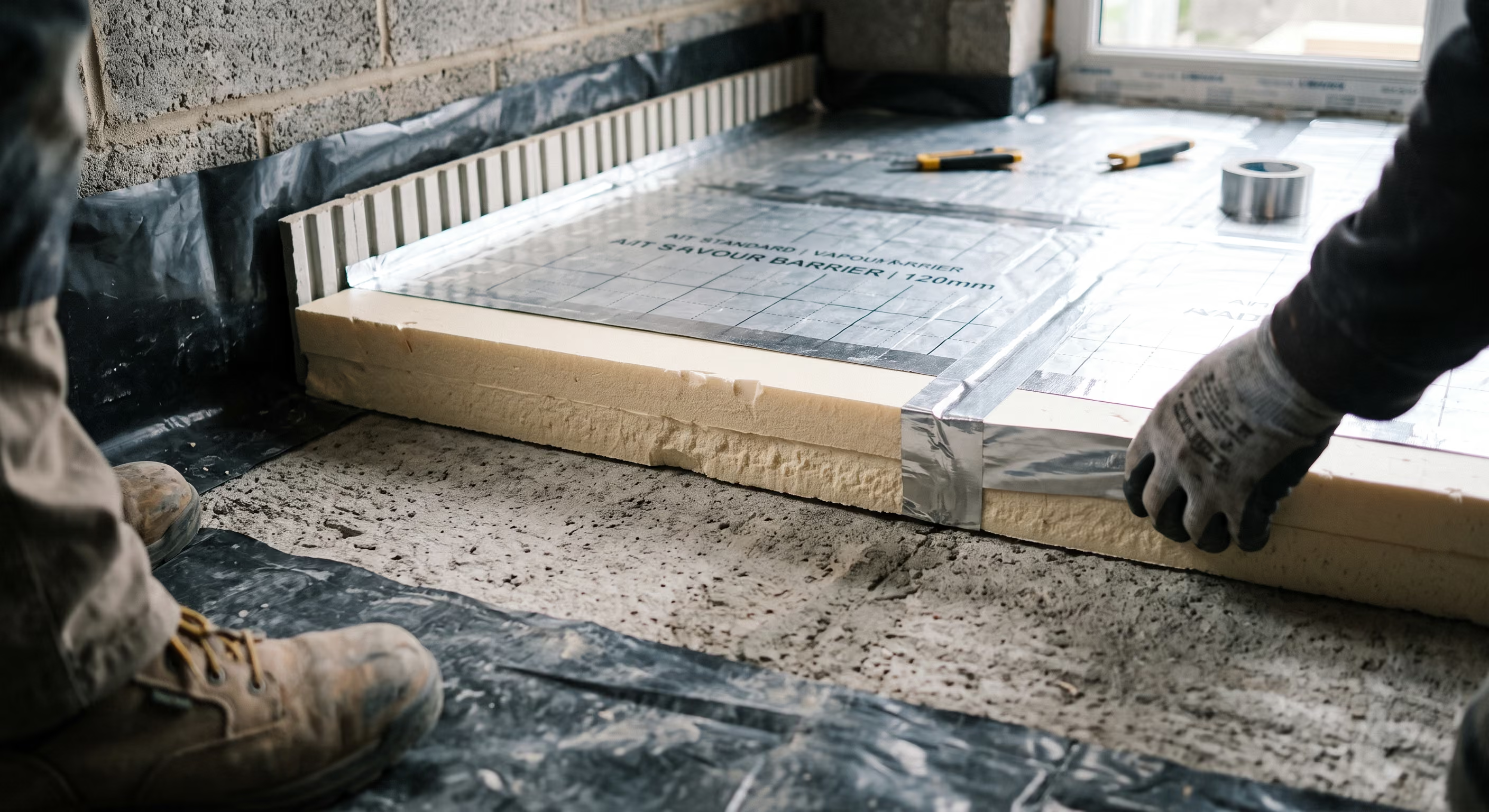
A dry screed is a system of rigid panels, laid dry on the floor, without water or chemical drying time. It generally consists of insulating panels (perlite, wood fibers, polystyrene) covered with finishing panels (fiber cement, reinforced gypsum, plywood), assembled and glued or screwed together. The result is a floor that can be walked on immediately after installation.
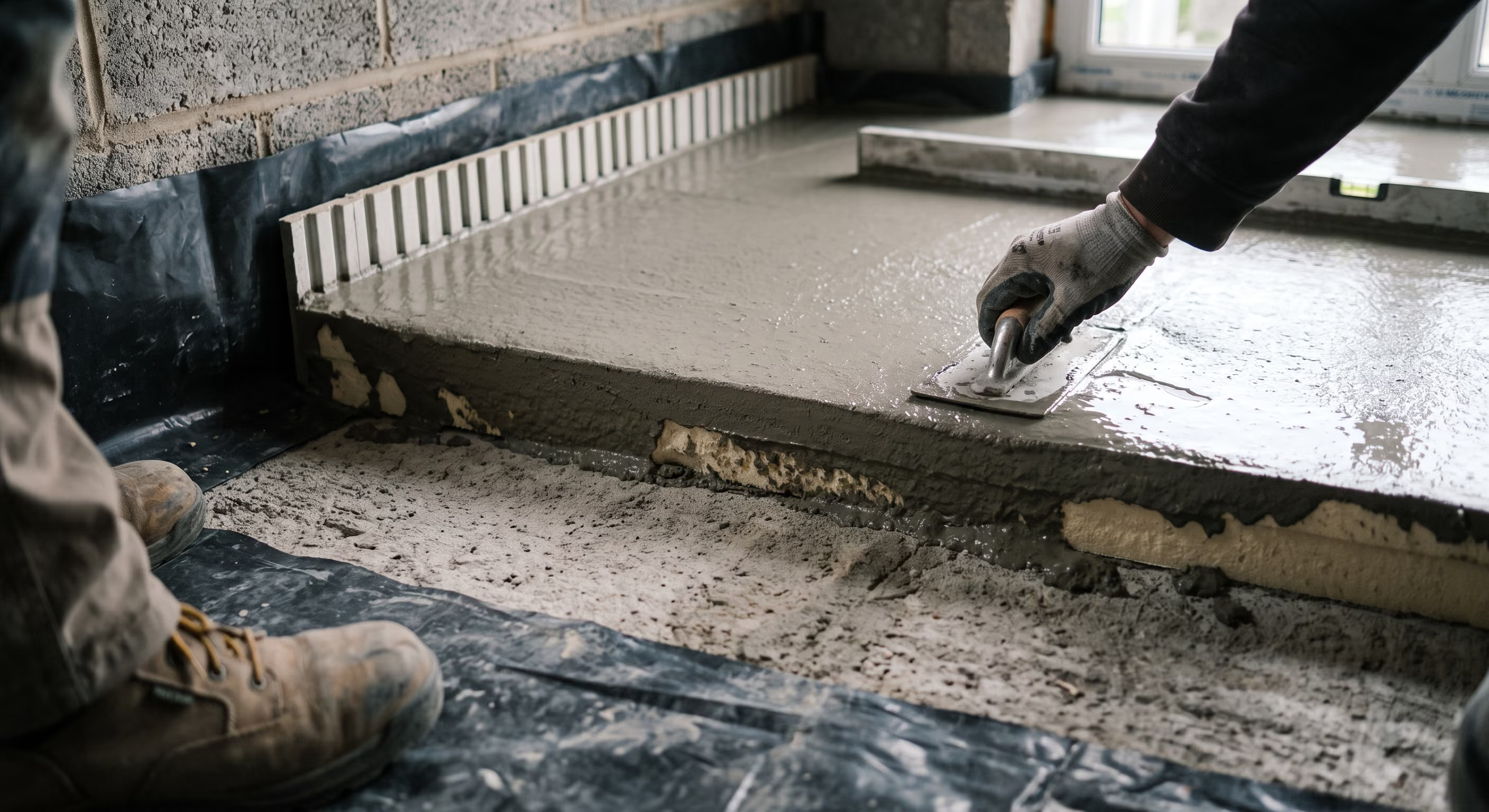
The fundamental difference lies in water. A traditional screed and a fluid screed (anhydrite or cement) are poured wet and require a chemical setting reaction followed by drying that can take several weeks. Dry screed, however, contains no mixing water: it is ready to receive a covering as soon as it's installed.
Some dry screed systems incorporate grooves to accommodate cables for underfloor heating low-profile electric. For conventional hydronic heating, a fluid or traditional screed generally performs better in terms of thermal diffusion, with dry screed being primarily suited for electric systems or renovations where available height is very limited.
Dry screed is particularly relevant if:
For other cases, especially large new areas or projects with hydronic underfloor heating, consult our comparison of traditional, reinforced, or fluid screed or our article traditional screed vs anhydrite fluid screed.
Undecided between a dry screed and a traditional solution for your renovation? Contact Davide Chape for free technical advice. We operate in Brussels, Wallonia, and the surrounding areas.

Do not hesitate to contact us directly: our team is always available to assist you and provide a 100% free quote.


Your expert in screeds, thermal insulation, and acoustic floor insulation.